

For most families in Pakistan, the community pharmacy is the easiest healthcare stop to reach. It is often the first place people go, and sometimes the only one. Pharmacists do more than hand out medicine. They counsel patients on chronic disease, check blood pressure and blood sugar, help reduce wrong use of antibiotics, and guide new mothers on safe medicine use. Pakistan has roughly one doctor for every 1,300 people, but a pharmacy on almost every commercial street. That makes community pharmacies one of the most practical ways to spread public health awareness.
What “Public Health” Means at the Pharmacy Counter
Public health is about protecting and improving the health of a whole population, not just one patient at a time. Inside a pharmacy, this shows up in small, everyday actions. It means correcting how a patient uses an inhaler. It means catching a dangerous drug interaction before it causes harm. It means explaining why an antibiotic course must be finished, not stopped early. It means sending a patient with a dangerously high blood pressure reading to a doctor before something worse happens. Pharmacists see the same patients over months and years, so they build an ongoing picture of health patterns in their neighborhood. That is closer to true public health work than a single doctor’s visit can offer.
Six Concrete Roles Community Pharmacies Play
1. Chronic Disease Counseling and Follow-Up
Patients with high blood pressure, diabetes, or chronic pain usually visit a pharmacy far more often than they see a doctor. Pharmacists use these repeat visits to check if patients are taking medicine correctly, catch missed doses, and explain lifestyle changes. For example, a pharmacist can point out which packaged foods are hidden sugar traps for a diabetic patient, or suggest smoking cessation support for a patient with high blood pressure. Studies on pharmacist-led chronic disease support have linked this kind of counseling to better health outcomes and lower costs compared to simply dispensing medicine.
2. Point-of-Care Screening
For many working adults, the pharmacy is the only place they get their blood pressure or blood sugar checked between doctor visits. A quick check with a calibrated blood pressure monitor or glucometer can catch undiagnosed hypertension or diabetes early, when it is far easier to manage.
3. Fighting Antimicrobial Resistance (AMR): Pakistan’s Biggest Pharmacy Public Health Problem
This is where Pakistani community pharmacies have the most work still to do, and the numbers make that clear. A simulated client study across Hazara Division found that 96% of pharmacies surveyed gave out antibiotics without a prescription. A district level survey in Sialkot found that 55.6% of community members had poor knowledge of antimicrobial resistance, and that a qualified pharmacist was not present at the counter in 90.6% of the pharmacies surveyed. A separate survey of pharmacy staff in Punjab found that 69.3% agreed that giving out antibiotics without a prescription adds to resistance, yet only 34.5% actually told patients to see a doctor first.
The gap between what pharmacy staff know and what they actually do is exactly where public health awareness matters most. Refusing to sell antibiotics for an ordinary cold, explaining why a leftover antibiotic from a past illness should not be reused, and encouraging patients to finish a full prescribed course rather than stopping once they feel better: these are simple actions with a real effect.
4. Maternal and Child Health Guidance
Pregnant women and new mothers often ask their pharmacist, not their doctor, about medicine safety, simply because the pharmacy is easier to reach on short notice. Getting the dose right for infants, warning against medicines that are unsafe during pregnancy, and sending high risk cases to a physician are all public health actions that happen right at the pharmacy counter.
5. Pain Management for Chronic and Elderly Patients
Patients managing arthritis, back pain, nerve pain, or pain after surgery rely on pharmacists to explain safe dosing, watch for signs of painkiller overuse, and flag when a change in pain needs a doctor’s review rather than a stronger medicine.
6. Local Health Data and Research Support
Pharmacies see the same patients again and again, so they build up an informal but useful record of medicine use patterns in a neighborhood. Researchers studying antibiotic misuse, chronic disease rates, or medicine shortages in Pakistan often draw on this kind of pharmacy based data.
Why This Matters More in Pakistan
Two things make the pharmacist’s public health role bigger in Pakistan than in countries with more doctors per person. First, access to doctors is limited outside the major cities. Second, prescription only rules are weakly enforced, which pushes far more triage and patient education onto pharmacy staff by default, not by design. This also explains the real barriers pharmacies face: a qualified pharmacist is not always at the counter, and the pressure to sell rather than refer a patient is constant. Naming that gap honestly is part of giving a useful, trustworthy picture of the profession, not a criticism of it.
How Marham Pharmacy Supports This Work
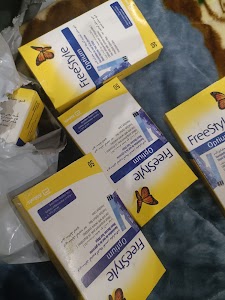
Marham Pharmacy stocks the tools this kind of preventive care depends on. That includes blood pressure monitors, blood glucose meters and test strips, nebulizers, and pulse oximeters. These let patients check on chronic conditions at home, between pharmacy visits and doctor visits, not just during them.
Frequently Asked Questions
What is the main public health role of a community pharmacist?
Beyond giving out medicine, community pharmacists counsel patients on managing chronic disease, screen for conditions like high blood pressure and diabetes, and work to reduce the wrong use of antibiotics in their area.
Can a pharmacist in Pakistan legally sell antibiotics without a prescription?
No. Antibiotics are prescription only medicines under Pakistani drug regulations. In practice, studies have found that selling them without a prescription is common, and this is a known driver of antimicrobial resistance and a target of ongoing public health campaigns.
How can patients use their local pharmacy for preventive health, not just medicine?
Ask about blood pressure or blood sugar screening, request counseling when starting a new chronic medicine, and use the pharmacist as a first point of contact for questions about drug interactions or safe use during pregnancy.
Sources:
Sialkot AMR knowledge and attitude survey (BMC, 2019)
Hazara Division simulated client antibiotic dispensing study (PMC, 2022)
Punjab pharmacy staff antibiotic dispensing survey (PMC, 2021)
Lahore community pharmacist knowledge, attitude and practice study (PMC, 2024).